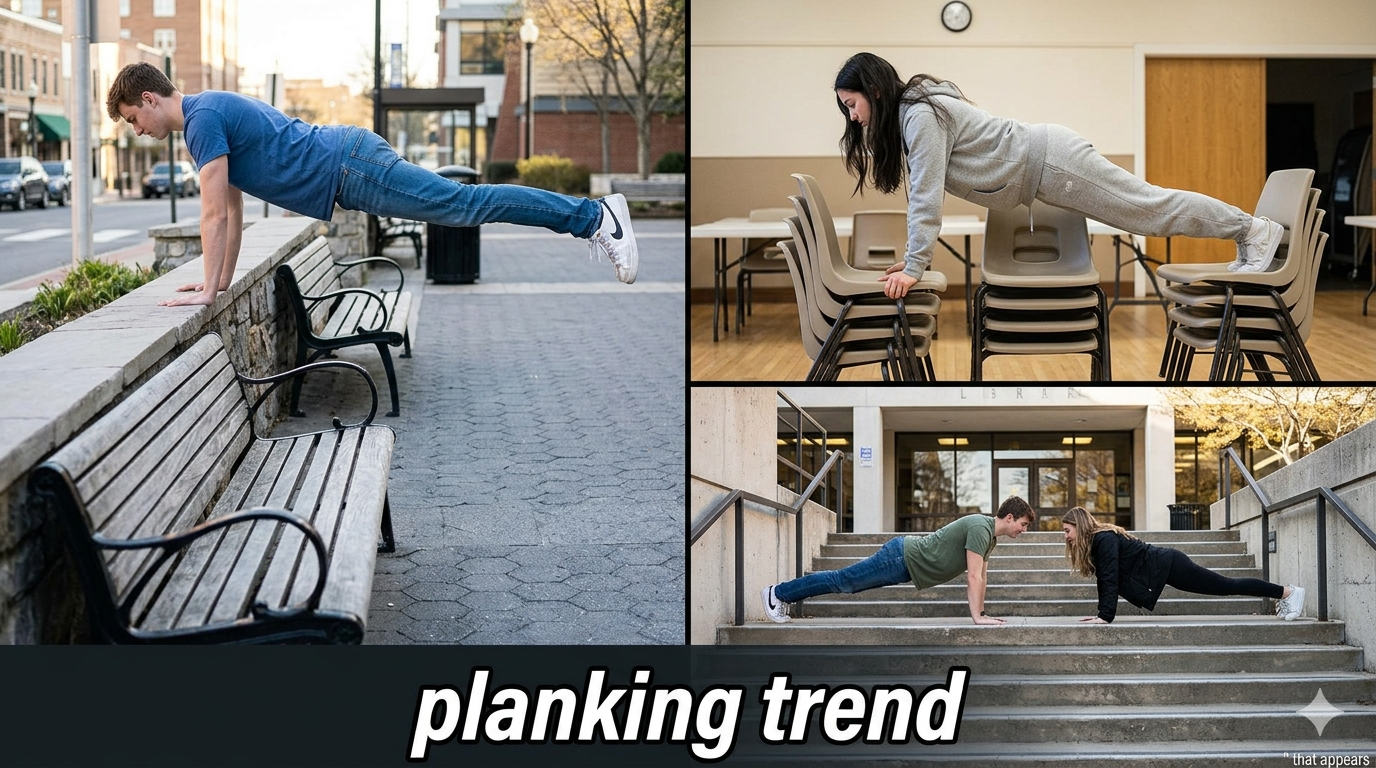
Planking Trend: The History and Lessons of the 2011 Viral Challenge
The internet is full of strange fads that come and go, but few were as famous as the planking trend. If you were online in 2011, you probably saw photos of people lying face down, stiff as a board, in the most unusual places. It was a global phenomenon that seemed to happen overnight. From office desks to rooftops, everyone wanted to capture the perfect shot. However, as the planking trend gained popularity, it brought up serious questions about safety and online behavior. In this article, we will explore the history of this viral movement, why it started, and the important lessons we learned about taking risks for a photo.
What is the Planking Trend?
To understand the planking trend, we have to look at the basics. At its core, planking is a simple activity. You lie face down, keep your body completely straight, and hold your arms flat against your sides. The goal is to look just like a rigid wooden plank. People would take photos of themselves doing this in public, private, or even odd locations. It was meant to be a silly, harmless game. The more unique the location, the more “points” or attention the photo would get from friends. It was essentially a way to be funny and get noticed on social media.
The Rise of the Planking Trend 2011
The year 2011 was the true peak for this viral activity. While the idea had been around for a few years, the planking trend 2011 explosion happened across Facebook and Twitter. Suddenly, it was everywhere. People in Australia, the United Kingdom, and the United States were all joining in. It became a global craze because it was easy to do. You did not need special equipment or money to participate. You just needed a friend to take a photo of you lying on a park bench, a car, or a kitchen counter. It felt like everyone was playing along, making it a shared experience for millions.
How Did People Start Planking?
Most people believe the planking trend started as a way to pass time. It was a game often called “The Lying Down Game” by teenagers years before it had a name. They would lie down in public places just to confuse people who walked by. It was a harmless prank. By 2011, it got a new name and a big boost from social media. Websites like Facebook allowed people to share their photos instantly. This helped the planking trend spread faster than ever before. Once one person shared a funny photo, others felt inspired to try it, too. It was a cycle of creativity and peer pressure.
Where Did the Planking Trend Happen?
The planking trend knew no limits when it came to location. You could find people doing it in schools, offices, and grocery stores. Some people even planked on top of statues or police cars. The more dangerous or strange the spot, the more “impressive” the photo seemed to be to viewers. While most people kept it safe, others started choosing spots that were very risky. They did this to stand out in the sea of thousands of other photos online. This desire to be different is what eventually changed the nature of the game from being just silly to being potentially hazardous.
The Danger Behind the Planking Trend Deaths
As the game grew, the risks became very real. Sadly, there were reports of severe injuries and even planking trend deaths. In 2011, a tragic accident occurred in Australia involving a young man who fell from a balcony while trying to plank. This incident changed how the world viewed the activity. It was a harsh reminder that trying to get a viral photo is never worth risking your life. When people try to outdo each other, they sometimes forget about basic safety rules. These tragic events showed that what started as a joke could lead to permanent and heartbreaking consequences.
Social Media and the Planking Trend
Social media played a massive role in fueling the planking trend. Back then, Facebook was the main place for sharing, but the impact was similar to modern apps. The “like” button and comments section acted as a reward system. When a photo got lots of attention, the person felt encouraged to take even bigger risks for the next one. This constant feedback loop is a big part of why the planking trend stayed popular for so long. It proved that online validation can be a very powerful motivator, even when the activity itself is risky or makes little sense to others.
Why Did the Planking Trend Fade Away?
Like most viral fads, the planking trend eventually lost its steam. The biggest reason was that people got bored. Once everyone had done it, the novelty wore off. Furthermore, the news about injuries and the planking trend deaths made people realize it was not just a harmless game. Schools, workplaces, and parents started to discourage it. They did not want to see anyone get hurt. As the internet moved on to new memes and challenges, this specific activity faded into history. It serves as a classic example of how quickly something can rise and fall in the digital age.
Safety Concerns with Viral Challenges
The history of this trend taught us a lot about viral challenges. Today, we still see people trying dangerous stunts for likes on social media. The lesson from 2011 is that your well-being must always come first. No photo, video, or viral moment is worth your safety. It is important to think before you act. Ask yourself if what you are doing could lead to a fall or other harm. If the answer is yes, it is not worth it. Being safe is always the smartest choice, regardless of what the current popular trend happens to be.
Comparing Old Trends to Modern Ones
When you look at the planking trend compared to modern viral challenges, you can see some similarities. Many fads are designed to be funny or impressive. However, the technology has changed. Now, we have high-definition cameras and even faster ways to share content globally. While the tools are better, the risks remain the same. People still try to do things that are unsafe just to get views. We should use the history of the planking trend 2011 as a guide to be more careful. We can enjoy internet culture without being reckless or ignoring danger.
Lessons Learned from the Planking Trend
We can learn a lot by looking back at the past. The main takeaway is that internet trends are temporary, but your safety is permanent. The planking trend was an interesting moment in history, but it also showed us the dark side of “going viral.” It reminded us that we should be responsible for our actions online. Even if everyone else is doing something, it does not mean you have to join in if it feels dangerous. Trust your gut. Stay safe, be smart, and always put your health above the need to impress strangers on the internet.
Conclusion
Staying safe online is all about making good choices. Before you try any challenge you see on social media, take a moment to pause. Think about the potential risks. Does it involve climbing something high? Is it on a busy road? If it looks dangerous, walk away. You can still be a part of internet culture by being creative in safe ways. Share things that are kind, funny, or helpful instead of risky. Remember that the best influencers are the ones who show others how to have fun while also being responsible and safe.
Faqs
1. What is planking trend really about?
It is an internet activity where people lie face down and stiff in unusual places to take a photo. It was meant to be a silly game to share with friends.
2. When was the planking trend most popular?
The planking trend 2011 was the peak year. This is when it became a global phenomenon on social media sites like Facebook.
3. Were there any planking trend deaths?
Yes, there were tragic reports of injuries and at least one death involving a person who fell from a balcony while attempting a dangerous planking stunt.
4. Why did people start the planking trend?
It started as a harmless, random way to pass time and confuse onlookers. It eventually became a way to get attention and “likes” on social media.
5. Is the planking trend still a thing?
Not really. Like most internet fads, it faded away as people got bored and became more aware of the safety risks involved.
6. What is the most important lesson from the planking trend?
The most important lesson is that your safety is always more important than a photo or “likes” online. Never take risks that could hurt you or others.